Pathra temple
- anonymous
- Jul 7, 2025
- 3 min read
Updated: Jul 30, 2025
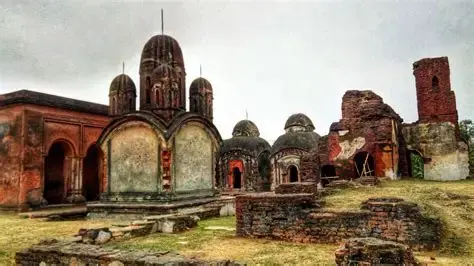
Have you ever heard about village which is a home to almost 34 historic terracotta temples and many are over 200 years old. These are not only temple but these terracotta structure not only describe our past but also our historical background and cultural legacy .
Location
Pathra also known as “ mandirmay pathra” is located in the Paschim mendipur district in the state of west Bengal . it lies on the northen bank of the kangsabati river about 14-18 km from Mindnapore town .
Origins and Early Significance
· The region around Pathra was historically part of the Tamralipta hinterland, a major port town during the Gupta period, over 1,500 years ago.
· It was a spiritual hub for Hindus, Jains, and Buddhists, as evidenced by archaeological finds like a Vishnu Lokeshwar statue that blends Hindu and Buddhist iconography.
Temple-Building Era (18th Century)
· The temple legacy began in 1732, when Bidyanand Ghosal was appointed revenue collector of Ratnachawk pargana by Nawab Alivardi Khan.
· Ghosal began constructing temples, which drew Hindu pilgrims. This displeased the Nawab, he was not happy by the doings of Ghosal so he allegedly sentenced him to death by an elephant. According to legend, the elephant refused to harm him—a miracle that gave the village its name: Pathra (from pa = foot, uthra = escape).
· After Ghosal’s death, his descendants continued construction of temple now known as the Majumdar family and later Bandopadhyay family continued building temples until the late 18th century.
Decline and Neglect
· As the wealthy families moved away, the temples fell into disrepair. Many were damaged by floods from the Kangsabati River, vandalism, and neglect.
· By the mid-20th century, Pathra’s temples were nearly lost to history.
· There was increasing inequalities among the village members
Revival and Preservation
· In the 1970s, a local Muslim resident named Yasin Pathan began a grassroots movement to save the temples with just a plough and book in hands he continued preserving it .
· Despite resistance from both local communities and authorities, he succeeded in rallying support from institutions like IIT Kharagpur and eventually the Archaeological Survey of India (ASI).
· Today, 28 of the 34 temples are under ASI protection, with 18 restored so far.
· Pathra is more than a village—it’s a testament to cultural coexistence, forgotten heritage, and the power of one person’s determination.
Why Is Heritage Still Hidden and Unnoticed by the Masses?
Despite India's deep cultural roots, many historical monuments remain forgotten or poorly understood. Their fading presence isn’t just the result of time, but of systemic neglect and collective disengagement.
Causes of Public Unawareness

· Lack of Knowledge: History is often taught through rote memorization, stripping away curiosity and emotional connection. Without understanding the value of these structures, people fail to grasp their significance in our lives.
· Neglect of Regional History: Curricula often emphasize broader national narratives while ignoring the rich tapestry of regional heritage. As a result, sites like the temples of Pathra remain outside public consciousness.
· Weak Civic Sense: Many individuals lack the basic civic responsibility to safeguard what their ancestors built. Monuments are seen as old relics rather than legacies to be respected and preserved.
· Governmental Apathy: Inadequate funding and low prioritization by authorities mean that countless monuments are left to decay. With little restoration or protection, many vanish from existence due to prolonged neglect.
How We Can Change the Narrative
Preserving heritage isn’t just about conservation—it’s about education, engagement, and ownership.
· Educating the Youth: Rote learning alone won’t spark reverence. Schools must organize regular seminars and interactive sessions that explore regional history and the importance of cultural landmarks.
· Establishing Heritage Clubs: These clubs can nurture interest in historical sites, teach about the architectural techniques used, and instill a sense of pride and responsibility among students.
· Organizing Site Excursions: Field visits to regional monuments allow students to connect with history directly. Walking through these spaces helps them understand the lives, beliefs, and craftsmanship of their ancestors.


Comments